WE ARE HERE TO HELP
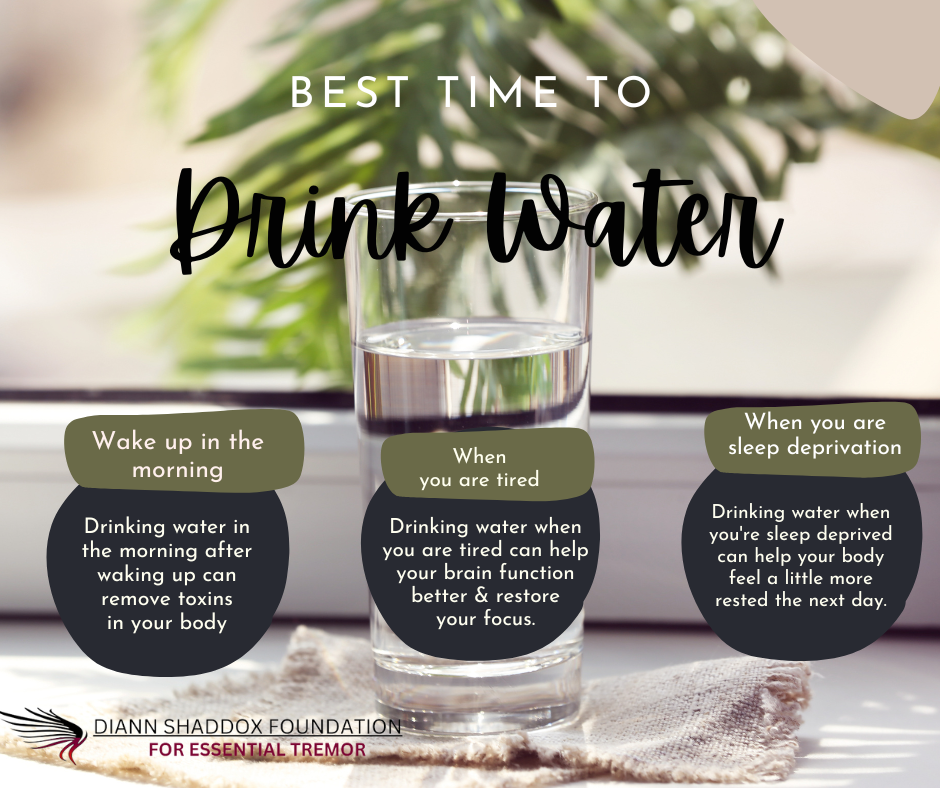
Benefits of Drinking Water for Your Brain
|
Getting enough water each day is essential for your health. Drinking water can prevent dehydration, a condition that can cause confusion, mood changes, overheating, and lead to constipation and kidney stones. Water has no calories, so it also helps with weight management. |
​What does Water do to Your Brain?
Water helps your brain cells communicate with each other, clears out toxins and waste that impairs brain function, and carries nutrients to your brain. This all falls apart if your fluid levels drop. Staying hydrated has been linked to faster decision-making and improved performance on cognitive tests.
What are the Benefits of Drinking Water?
|
Daily Total Water Intake
Daily total water intake (fluid) is defined as the amount of water consumed from foods, plain drinking water, and other beverages. You can get some fluids through the foods that you eat—especially foods with high water content, such as many fruits and vegetables.
So how much fluid does the average, healthy adult living in a temperate climate need?
The U.S. National Academies of Sciences, Engineering, and Medicine determined that an adequate daily fluid intake is:
So how much fluid does the average, healthy adult living in a temperate climate need?
The U.S. National Academies of Sciences, Engineering, and Medicine determined that an adequate daily fluid intake is:
- About 15.5 cups (3.7 liters) of fluids a day for men
- About 11.5 cups (2.7 liters) of fluids a day for women
Tips to Drink More Water
- Carry a water bottle with you and refill it throughout the day.
- Freeze some freezer safe water bottles. Take one with you for ice-cold water all day long.
- Choose water over sugary drinks.
- Opt for water when eating out. You’ll save money and reduce calories.
- Serve water during meals.
- Add a wedge of lime or lemon to your water. This can help improve the taste.
https://www.cdc.gov/healthyweight/healthy_eating/water-and-healthier-drinks.html
This page provides general info only. The Diann Shaddox Foundation for Essential Tremor does not endorse medications, treatments, or companies but offers information. Consult your medical provider for care decisions.